Gibson Lap Steel Serial Numbers
| Subsidiary | |
| Industry | Musical instruments |
|---|---|
| Founded | 1873; 146 years ago in Smyrna, Ottoman Empire (now İzmir, Turkey) |
| Founder | Anastasios Stathopoulos |
| Headquarters | , |
Area served | Worldwide |
| Jim Rosenberg (President)[1] | |
| Products | Electric, acoustic, archtop & resonator guitars Basses Banjos Mandolins Ukuleles Amplifiers Effects units |
| Parent | Gibson |
| Website | Official website |
Eric's Comments: Epiphone made some cool steels but they didn't sound good with period amps and didn't sell well (there are no production numbers but this is based on availability in the vintage market). Actually they aren't bad sounding steels if you can turn up the treble on your amp, and some are fairly fancy. Epiphone is an American musical instrument manufacturer founded by Anastasios Stathopoulos, currently based in Nashville, Tennessee. In 1957 Epiphone, Inc., of New. Epiphone is an American musical instrument manufacturer founded by Anastasios Stathopoulos, currently based in Nashville, Tennessee. In 1957 Epiphone, Inc., of New York City was purchased by Chicago Musical Instrument Co and given the name Epiphone, Inc. Of Kalamazoo, Michigan. CMI took great measures to.
Epiphone is an American musical instrument manufacturer founded in 1873 by Anastasios Stathopoulos, currently based in Nashville, Tennessee. In 1957, Epiphone, Inc. was purchased by Gibson and relocated from New York to Kalamazoo, Michigan. Epiphone was Gibson's main rival in the archtop market prior to 1957.[2] Aside from guitars, Epiphone also made double basses, banjos, and other string instruments. However, the company's weakness in the aftermath of World War II and death of Epaminondas Stathopoulos in 1943 allowed Gibson to purchase it.[3] Epiphone also manufactures resonator guitars under the Dobro brand.
The name 'Epiphone' is a combination of proprietor Epaminondas Stathopoulos' (Επαμεινώνδας Σταθόπουλος) nickname 'Epi' and 'phone' (from Greek phon- (φωνή), 'voice').[4]
- 2Instruments
- 2.1Guitars
- 3Manufacturing
History[edit]
Gibson Lap Steel Serial Numbers
Epiphone began in 1873, in Smyrna, Ottoman Empire (now İzmir, Turkey), where Greek founder Anastasios Stathopoulos made his own fiddles and lutes (oud, laouto). Stathopoulo moved to the United States in 1903 and continued to make his original instruments, as well as mandolins, from Long Island City in Queens, New York. Anastasios died in 1915, and his son, Epaminondas ('Epi'), took over. After two years, the company became known as The House of Stathopoulo.[5] Just after the end of World War I, the company started to make banjos. The company produced its recording line of banjos in 1924 and, four years later, took on the name of the Epiphone Banjo Company. It produced its first guitars in 1928. After Epi died in 1943, control of the company went to his brothers, Orphie and Frixo. In 1951, a four-month-long strike forced a relocation of Epiphone from New York City to Philadelphia. In 1957 the company was acquired by Gibson.[6]
Instruments[edit]
Guitars[edit]
After Epiphone became a subsidiary of Norlin (Gibson's parent after 1969), many of its instruments were later patterned after the more expensive Gibson versions. Occasionally, Epiphone models are of such high quality that sales of those less expensive instruments actually cut into the Gibson's sales. Case in point, the short lived solid body Epiphone Del Rey model was modeled after a Gibson Les Paul double cut. Workmanship and manufacturing standards were so high that Gibson killed the model. To help distinguish itself from the parent brand, Epiphone also maintains its own line of archtop guitars and basses.
As of January 2013, Epiphone makes the following guitars:
Gibson Models[edit]
- Dove / PRO
- EJ-200 Artist / 200CE (J-200)
- EL-00 / PRO (L-00)
- ES-335 PRO
- ES-339 PRO / 339 Ultra
- Explorer – 1984 EX / 1958 Goth
- Firebird TV-Silver
- Flying V – '58 Korina
- Flying-V – Jeff Waters Anihillation-V
- Flying-V – Robb Flynn Love/Death Baritone
- Hummingbird / PRO / Artist
- Les Paul
- Les Paul Baritone[7]
- Les Paul 1956 Goldtop
- Ace Frehley Budokan Les Paul
- Joe Bonamassa Goldtop
- Peter Frampton Les Paul Custom PRO 'Phenix'
- Les Paul Black Beauty 3
- Les Paul Custom PRO / Blackback
- Les Paul Nightfall**
- Les Paul Prophecy EX & GX
- Les Paul Special I
- Les Paul Special II
- Les Paul Standard / Royale / PRO
- Les Paul Studio / Goth
- Les Paul Tribute
- Les Paul Traditional PRO
- Les Paul Ultra III / PRO
- Les Paul Ukulele
- Tak Matsumoto DC Standard & Custom Plus
- Zakk Wylde Custom Plus Bullseye
- Nighthawk Custom
- SG
- 1961 SG Special
- 1966 G-400 PRO
- G400 Goth / Faded
- G-400 PRO
- SG Special
- Thunderbird-IV / Goth / PRO-IV / Classic-IV PRO
Original Epiphone models[edit]
- AJ-100 / 100CE
- AJ-150HS
- AJ-220S / 220SCE
- Allen Woody Rumblekat
- Blackstone
- Broadway
- Casino / 1961 50th Anniversary / Elitist / Inspired by John Lennon
- Century
- Deluxe
- Del Rey
- DeLuxe Regent
- Dot / Dot Studio
- DR-100 & 212
- Dwight Trash Casino
- Embassy Bass
- Emperor Regent
- Emperor Swingster / Royale / Black Royale
- E422T Century Thinline
- ET-270
- ET-275 Crestwood
- ET-276
- ET-280 Bass
- FT-79 Texan
- FT-140 Japanese made 1970s dreadnought acoustic with a bolt on neck
- Graveyard Disciple
- Inspired by 1964 Texan
- Masterbilt Century Series
- Masterbilt DR-500MCE
- Masterbilt EF-500RCCE
- MB-100 & 200 Banjo
- MM-20 / 30S / 50E Professional Mandolin
- Olympic
- PR-150
- PR-4E
- PR-5E
- PR7E
- Epiphone Riviera P-90
- Sheraton II / 1962 50th Anniversary / Union Jack Ltd Edition (inspired by Noel Gallagher)
- Royale
- Sonador
- Supernova / Manchester City Blue / Union Jack
- SST Classic
- Triunfadora
- Triumph
- Triumph Regent
- Viola Bass
- Wildkat / Royale
- Zenith
- Zephyr
- Zephyr Deluxe
- Zephyr Deluxe Regent
- Wilshire PRO / 1966 Worn / Phantomatic / II / III
Amplifiers[edit]
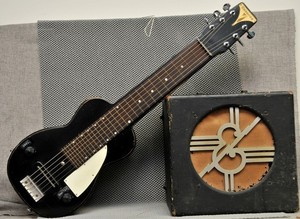
Epiphone began producing amplifiers in 1935 with the Electar Hawaiian Lap Steel Guitar Outfit. This outfit was an amplifier, case and lap steel guitar stand all rolled into one unit[8] and was supplied by a suitcase manufacturer of the time.
Gibson produced Epiphone amplifiers in the 1960s. These were basically copies or variations of Gibson and Fender amplifiers[citation needed]. They used a tube design, and some had reverb and tremolo. Gibson decided to launch a new line of Epiphone amplifiers in 2005 with many different models, including the So Cal,Blues Custom, and the Epiphone Valve Junior. The Valve Hot Rod and Valve Senior were released in 2009. The Valve Hot Rod is a 5 watt amp like the Valve Junior, but has a gain and reverb control. The Valve Senior offers 20 watts of power, with a full equalizer, gain, volume, reverb, and presence control.
As of 2012, Epiphone has ceased production of their line of amplifiers with the exception of the Player and Performance Pack practice amplifiers, available only in Epiphone's starter packages. These Amplifiers are under the Epiphone Electar moniker.[9]
Manufacturing[edit]
US[edit]
Epiphone instruments made between 1957 and 1970 were made beside the Gibson factory at 224 Parsons (Gibson located at 225 Parsons) St and on Elenor St; Kalamazoo, MI 49007.Solid body guitars with flat tops and backs were made at the Elenor Street plants (both Gibson and Epiphone) in Kalamazoo, Michigan. Some of these Epiphone instruments were effectively identical to the relevant Gibson versions, perhaps made with same timber, materials and components as the contemporary equivalent Gibson guitars. Epiphone also continued its production of world class archtop guitars using the same patterns and molds from Epi's New York era. Some specific examples of Gibson-era Epiphone instruments from this period includes the Epiphone Sheraton (co-developed with the Gibson ES-335 & sharing its semi-hollow body, but with, Epiphone's pre-Gibson 'Frequensator' tailpiece and 'New York' mini-humbucker pickups, and significantly fancier inlays) and Sheraton II (replacing the Frequensator with Gibson's 'stop-bar' tailpiece), the Epiphone Casino (similar to the Gibson ES-330), the Epiphone Caballero (similar to the Gibson LG-0), the Epiphone Cortez (similar to the Gibson LG-2), the Epiphone Olympic Special (similar to the Gibson Melody Maker), the Epiphone Sorrento (similar to the Gibson ES-125TC, except for a few cosmetic changes), and the Epiphone Texan (similar to the Gibson J-45, apart from a change in scale-length). The other Kalamazoo-made Epiphones had technical or cosmetic relationship with the similar Gibson version.
Several Epiphone guitars have been produced in the United States after 1971. The Epiphone Spirit and Special were produced in the early 1980s in Kalamazoo.[citation needed] In 1993, three historic Epiphone acoustic guitars, the Texan, Frontier, and Excellente, were produced by Gibson Acoustic in Montana.[citation needed] The Paul McCartney Texan was produced in 2005, and in 2009, the Epiphone Historic Collection was created, beginning with the 1962 Wilshire, built by Gibson Custom. Several other models, such as the Sheraton and John Lennon Casinos, were built in Japan and assembled and finished by Gibson USA.[citation needed]
Japan[edit]
In the early 1970s, Matsumoku began to manufacture Epiphone instruments in Japan[10] with the production and distribution being managed by Aria, in cooperation with Gibson. At this time, Epiphone ceased production of all of its traditional designs and began manufacturing markedly less expensive guitars, many of which had less traditional bolt-on style necks and unspecified wood types.[11] Some of these guitars had similar body shapes to traditional Epiphone and Gibson designs but had different names while other models retained certain model designations, such as the FT (Flat Top) guitars.[12] Construction of these guitars differed greatly from past Epiphone models. For the first several years of production in Japan, Epiphone guitars were actually rebranded designs already produced by the Matsumoku Company.[13]
By 1975, the Japanese market started seeing some of the more familiar designs and names being reintroduced. These guitars were of higher quality than that of the previous years of production in Japan and included models such as the Wilshire, Emperor, Riviera and Newport bass.[14] These models were available to the Japanese market only. By 1976 new designs of higher quality were being introduced for export but did not include the current Japanese market models. Notable new designs from this era were the Monticello (Scroll Guitar), the Presentation (PR) and Nova series flat tops and the Genesis solid body guitar. By 1980, most Japanese-only designs were available for worldwide distribution. The Matsumoku-made archtops, such as the Emperor, Riviera, Sheraton and Casino, were available into the mid-1980s.
Korea[edit]
Gibson Lap Steel Serial Numbers
From the 1980s, Epiphones were manufactured mainly in Korea and Japan by contractors licensed by Gibson.[10][15] One of these contractors was Samick,[15] which also built instruments under license for other brands and in its own name. The brand was primarily used to issue less expensive versions of classic Gibson models.[15]
These guitars were constructed using different woods (usually Nyatoh,[citation needed] for example, instead of Mahogany), were fastened with epoxies rather than wood-glues.[citation needed] Gibson and Epiphone guitars all use Titebond resin glue, which is simple carpenters' wood glue, and were finished in hard, quick-to-apply polyester resin rather than the traditional nitro-cellulose lacquer used by Gibson[citation needed] Epiphone guitars assembled or made in the US use lacquer finishes, but those made outside of the US use a poly urethane finish because of pollution requirements. These particular budget considerations, along with others such as plastic nuts and cheaper hardware and pickups, allow for a more affordable instrument.
Samick has stopped[when?] manufacturing guitars in Korea.
China[edit]
In 2004, Gibson opened a factory in Qingdao, China, which manufactures Epiphone guitars.[16] With few exceptions, Epiphones are now built only in the Qingdao factory.[16]
Unique Epiphone models, including the Emperor, Zephyr, Riviera and Sheraton, are built to higher quality standards than the company's 'Gibson copy' line[citation needed]. In 2004 Epiphone introduced a series of acoustic guitars named Masterbilt after a line of guitars of the 1930s, which are built in the same factory.[17]
Imperial Series and Elitist[edit]
During the early 1990s Epiphone released a series called the Imperial Series. These were remakes of the classic Epiphone archtops of the 1930s and '40s. Each instrument was handmade in the FujiGen factory in Japan.[citation needed] This short-lived series was discontinued in 1993, after only 42 Emperors were made.[citation needed] Several other models, including De Luxe, Broadway and Triumph models, were also produced in varying quantities.
Production was moved back to Nashville and Bozeman for a similar limited run of instruments (250 each of Sheratons, Rivieras, Frontiers, Excellentes and Texans).[18] These guitars were the 'Nashville USA Collection' (archtops) and the 'Anniversary Series' (acoustics). Contrary to popular information, this line was related to, but not part of the 1994 Gibson Centennial Series commemorating 100 years of the Gibson Guitar Corporation. The Nashville and Anniversary Collections were intended as reintroductions of original, USA built Epiphone models.
In 2002, Epiphone began producing a range of higher quality instruments under the 'Elite Series' moniker which were built by Terada and FujiGen in Japan.[citation needed] After legal action by Ovation the name was changed to Elitist in 2003. As of 2008, all of the Elitist models have been discontinued with the exception of the Elitist Casino and the Dwight Trash Casino. The Epiphone Elitist guitars included features such as higher grade woods, bone nuts, hand-rubbed finishes, 'Made in the USA' pickups and USA strings.[19]Japanese domestic market Elitists used the Gibson Dove-wing headstock as opposed to the 'tombstone' headstock used on exports.[20]
Serial numbers and factory codes[edit]
Current Epiphone serial numbers give the following information:[21]
Korea
- I = Saein
- U = Unsung
- S = Samick
- P or R = Peerless
- K = Korea
- F = Fine
China
- MR = CHINA
- DW = DaeWon
- EA = Gibson/QingDao
- EE = Gibson/QingDao
- MC = Muse
- SJ = SaeJung
- Z = Zaozhuang Saehan
- BW = China
Japan
- No letter or F = FujiGen
- J or T = Terada
Czech Republic
- B = Bohêmia Musico-Delicia
Indonesia
- SI = Samick Indonesia
Example: SI09034853 SI = Samick Indonesia, 09 = 2009, 03 = March, 4853 = manufacturing number.
YYMMFF12345
- YY year
- MM month
- FF factory-code
- 12345 production#
- FACTORY NUMBER CODES—for some models starting in 2008, if serial # begins w/numbers
- [NOTE: The factories identified by these codes are based on patterns that forum members have observed. The numbers appear as the 5th and sixth digits in the serial number.]
- 11 = MIC sticker on a '08 Masterbilt
- 12 = DeaWon or Unsung (China—uncertainty remains as to which factory)
- 13 = Sticker: Made in China (Unknown factory; Epiphone LP-100)
- 15 = Qingdao (China) – electric
- 16 = Qingdao (China) – acoustic
- 17 = China – factory unknown MIC sticker on a J160E
- 18 = China – factory unknown found on one 2009 model bass
- 20 = DaeWon or Unsung (China—uncertainty remains as to which factory)
- 21 = Unsung, Korea
- 22 = ??? Korea (factory still unknown)
- 23 = ??? Indonesia (factory still unknown, probably Samick,)
- I = Indonesia (this letter has appeared as the 5th digit on two authentic new models made in Indonesia
Players of Epiphone[edit]
References[edit]
- ^http://www.epiphone.com/News/Features/Features/2013/Jim-Rosenberg-The-Epiphone-Interview.aspx
- ^Ingram, Adrian. The Gibson L5: Its History and Its Players. Anaheim, CA: Centerstream Pub., 1997. Print.
- ^'Epiphone: A History – Hard Times'. Epiphone.com. Retrieved 22 February 2012.
- ^'Epiphone: A History – Epi'. Epiphone.com. Retrieved 22 February 2012.
- ^'Epiphone: A History'. Epiphone.com. Retrieved 22 February 2012.
- ^'Epiphone: A History – Epiphone and Gibson'. Epiphone.com. Retrieved 22 February 2012.
- ^'Epiphone Les Paul Baritone Review'. Guitarhoo!. Guitarhoo.com. June 30, 2004. Retrieved April 16, 2014.
- ^'Epiphone – The Vintage Collection'. www2.epiphone.com.
- ^'Epiphone Introduces Three New Electric Packs!'. Epiphone.com. Retrieved 2013-08-20.
- ^ ab'Epiphone: A History – A New Beginning'. Epiphone.com. Retrieved 22 February 2012.
- ^1971 & 1974 Epiphone Catalogs
- ^1974 & 1976 Epiphone catalogs
- ^'History'. Epiphone.com. 1909-03-25. Retrieved 2013-08-20.
- ^1977 Epiphone Japan catalog
- ^ abc'Epiphone: A History – Epiphone in Korea'. Epiphone.com. Retrieved 22 February 2012.
- ^ ab'A-Chat-With-Epiphone-President-Jim-Rosenberg'. Epiphone.com. Retrieved 2013-08-20.
- ^'Epiphone Masterbuilt Series'(PDF). Epiphone. Retrieved 2013-09-07.
- ^'Epiphone: A History – Taking On The World'. Epiphone.com.
- ^'Epiphone Elitist'. Epiphone.com. Retrieved 2013-08-20.
- ^2002 Epiphone Japan Elite/Elitist catalog
- ^'Serial Number Search'. Gibson. Retrieved 2013-09-07.
External links[edit]
| Wikimedia Commons has media related to Epiphone. |
Martin Serial Numbers
Identifying Martin Stringed Instruments
Martin began producing instruments in 1833. Prior to serial numbers, the different instruments were identified by the Martin brand which was stamped into the back of the headstock, the upper portion of the back or on the back binding strut visible through the soundhole (the eased blocking reinforcing the center joint between the 2 back pieces).
The original instruments had a paper label that read: “Martin and Coupa”
| 1833 to 1867 | The brand reads: “C.F. Martin New York”. |
| 1867 to 1898 | The brand reads: “C.F. Martin & Co. New York”. |
| 1898 onward | The brand reads: “C.F. Martin & Co. Nazareth, Pa.” |
| 1888 to 1898 | Paper label includes: “Charles A. Zoebisch & Sons” (Zoebisch was the sole distributor of Martin at the time). |
| 1898 | Serial numbers begin at #8000 |
| 1929 | Model numbers were marked on the neck block, inside the body. |
Some pre-1898 guitars have the date penciled on the top just inside the sound hole.
Before 1929, the model size and style designation was generally written on a paper label and glued inside the top of the instrument case.
| 1895 | Mandolins were introduced |
| 1915 | Ukuleles, taropatches, tiples and Hawaiian guitars were introduced |
| 1923 | Tenor banjos were introduced |
After workers at the Nazareth factory had been employed for a period of years they were permitted to fashion an instrument for themselves at the plant. Many of these unique instruments pop-up today and don’t fit any clear category. Fortunately, they are often signed by the builder.
Ukuleles did not carry serial numbers but can be roughly identified and dated by the headstock:
| 1895 to 1932 | The Martin brand stamped on the back of the headstock. |
| 1930 onward | The Martin logo decal on the front of the headstock. |
| 1895 to 1934 | Bar frets |
| 1934 onward | Standard frets |
Interestingly, the original order for Martin decals was placed in June of 1932. This implies that a number of ukuleles built in 1930 remained in the factory until being sold in 1932. It was, after all, the depression. This would also explain why the occasional pre-1932 Martin guitar appears with a decal.
Martin Serial Numbers: Guitars
| Year | Last Number |
|---|---|
| 1898 | x8,348 |
| 1899 | x8,716 |
| 1900 | x9,128 |
| 1901 | x9,310 |
| 1902 | x9,528 |
| 1903 | x9,810 |
| 1904 | x9,988 |
| 1905 | 10,120 |
| 1906 | 10,329 |
| 1907 | 10,727 |
| 1908 | 10,883 |
| 1909 | 11,018 |
| 1910 | 11,203 |
| 1911 | 11,413 |
| 1912 | 11,565 |
| 1913 | 11,821 |
| 1914 | 12,047 |
| 1915 | 12,209 |
| 1916 | 12,390 |
| 1917 | 12,988 |
| 1918 | 13,450 |
| 1919 | 14,512 |
| 1920 | 15,848 |
| 1921 | 16,758 |
| 1922 | 17,839 |
| 1923 | 19,891 |
| 1924 | 22,008 |
| 1925 | 24,116 |
| 1926 | 28,689 |
| 1927 | 34,435 |
| 1928 | 37,568 |
| 1929 | 40,843 |
| 1930 | 45,317 |
| 1931 | 49,589 |
| 1932 | 52,590 |
| 1933 | 55,084 |
| 1934 | 58,679 |
| 1935 | 61,947 |
| 1936 | 65,176 |
| 1937 | 68,865 |
| 1938 | 71,866 |
| 1939 | 74,061 |
| 1940 | 76,734 |
| 1941 | 80,013 |
| 1942 | 83,107 |
| 1943 | 86,724 |
| 1944 | 90,149 |
| 1945 | 93,623 |
| 1946 | 98,158 |
| 1947 | 103,468 |
| 1948 | 108,269 |
| 1949 | 112,961 |
| 1950 | 117,961 |
| 1951 | 122,799 |
| 1952 | 128,436 |
| 1953 | 134,501 |
| 1954 | 141,345 |
| 1955 | 147,328 |
| 1956 | 152,775 |
| 1957 | 159,061 |
| 1958 | 165,576 |
| 1959 | 171,047 |
| 1960 | 175,869 |
| 1961 | 181,297 |
| 1962 | 187,384 |
| 1963 | 193,327 |
| 1964 | 199,626 |
| 1965 | 207,030 |
| 1966 | 217,215 |
| 1967 | 230,095 |
| 1968 | 241,925 |
| 1969 | 256,003 |
| 1970 | 271,633 |
| 1971 | 294,270 |
| 1972 | 313,302 |
| 1973 | 333,873 |
| 1974 | 353,387 |
| 1975 | 371,828 |
| 1976 | 388,800 |
| 1977 | 399,625 |
| 1978 | 407,800 |
| 1979 | 419,900 |
| 1980 | 430,300 |
| 1981 | 436,474 |
| 1982 | 439,627 |
| 1983 | 446,101 |
| 1984 | 453,300 |
| 1985 | 460,575 |
| 1986 | 468,175 |
| 1987 | 476,216 |
| 1988 | 483,952 |
| 1989 | 493,279 |
| 1990 | 503,309 |
| 1991 | 512,487 |
| 1992 | 522,655 |
| 1993 | 535,223 |
| 1994 | 551,796 |
| 1995 | 570,434 |
| 1996 | 592,930 |
| 1997 | 624,799 |
| 1998 | 668,796 |
| 1999 | 724,077 |
| 2000 | 780,500 |
| 2001 | 845,644 |
| 2002 | 916,759 |
| 2003 | 978,706 |
| 2004 | 1,042,558 |
| 2005 | 1,115,862 |
| 2006 | 1,197,799 |
| 2007 | 1,268,091 |
| 2008 | 1,337,042 |
| 2009 | 1,406,715 |
Martin Serial Numbers: Mandolins
| Year | Last Number |
|---|---|
| 1895 | x,x23 |
| 1896 | x,112 |
| 1897 | x,155 |
| 1898 | x,359 |
| 1899 | x,577 |
| 1900 | x,800 |
| 1901 | x,881 |
| 1902 | 1,171 |
| 1903 | 1,348 |
| 1904 | 1,507 |
| 1905 | 1,669 |
| 1906 | 2,026 |
| 1907 | 2,357 |
| 1908 | 2,510 |
| 1909 | 2,786 |
| 1910 | 3,098 |
| 1911 | 3,431 |
| 1912 | 3,847 |
| 1913 | 4,162 |
| 1914 | 4,462 |
| 1915 | 4,767 |
| 1916 | 5,007 |
| 1917 | 5,752 |
| 1918 | 6,370 |
| 1919 | 7,237 |
| 1920 | 8,761 |
| 1921 | 9,627 |
| 1922 | 10,196 |
| 1923 | 11,020 |
| 1924 | 11,809 |
| 1925 | 12,520 |
| 1926 | 13,359 |
| 1927 | 13,833 |
| 1928 | 14,170 |
| 1929 | 14,680 |
| 1930 | 14,892 |
| 1931 | 15,290 |
| 1932 | 15,476 |
| 1933 | 15,528 |
| 1934 | 15,729 |
| 1935 | 15,887 |
| 1936 | 16,156 |
| 1937 | 16,449 |
| 1938 | 16,580 |
| 1939 | 16,747 |
| 1940 | 16,957 |
| 1941 | 17,263 |
| 1942 | 17,405 |
| 1943 | none |
| 1944 | none |
| 1945 | none |
| 1946 | 17,641 |
| 1947 | 18,303 |
| 1948 | 19,078 |
| 1949 | 19,559 |
| 1950 | 20,065 |
| 1951 | 20,521 |
| 1952 | 20,902 |
| 1953 | 21,452 |
| 1954 | 21,952 |
| 1955 | 22,254 |
| 1956 | 22,629 |
| 1957 | 22,985 |
| 1958 | 23,111 |
| 1959 | 23,262 |
| 1960 | 23,512 |
| 1961 | 23,663 |
| 1962 | 23,938 |
| 1963 | 24,139 |
| 1964 | 24,339 |
| 1965 | 24,439 |
| 1966 | 24,564 |
| 1967 | 24,639 |
| 1968 | 24,839 |
| 1969 | 24,989 |
| 1970 | 25,039 |
| 1971 | 25,065 |
| 1972 | 25,289 |
| 1973 | 25,339 |
| 1974 | 25,679 |
| 1975 | 25,895 |
| 1976 | 26,045* |
| 1977 | 26,101 |
| 1978 | None |
| 1979 | 26,112 |
| 1980 | 26156 |
| 1981 | 26,215 |
| 1982 | 26,225 |
| 1983 | 26,247 |
| 1984 | 26,254 |
| 1985 | 26,263 |
| 1986 | 26,273 |
| 1987 | 26,279 |
| 1988 | 26,281 |
| 1989 | 26,283 |
| 1990 | 26,291 |
* 259,996-260,020 could also be 1976
Martin Serial Numbers: Range & Production
| Year | Serial #-Start | Serial #-End | (Total production) |
|---|---|---|---|
| 1898 | 8001 | 8349 | (347) |
| 1899 | 8350 | 8716 | (367) |
| 1900 | 8717 | 9128 | (411) |
| 1901 | 9129 | 9310 | (181) |
| 1902 | 9311 | 9528 | (217) |
| 1903 | 9529 | 9810 | (281) |
| 1904 | 9811 | 9988 | (177) |
| 1905 | 9989 | 10120 | (131) |
| 1906 | 10121 | 10329 | (208) |
| 1907 | 10330 | 10727 | (397) |
| 1908 | 10728 | 10883 | (155) |
| 1909 | 10884 | 11018 | (134) |
| 1910 | 11019 | 11203 | (184) |
| 1911 | 11204 | 11413 | (209) |
| 1912 | 11414 | 11565 | (151) |
| 1913 | 11566 | 11821 | (255) |
| 1914 | 11822 | 12047 | (225) |
| 1915 | 12048 | 12209 | (161) |
| 1916 | 12210 | 12390 | (180) |
| 1917 | 12391 | 12988 | (597) |
| 1918 | 12989 | 13450 | (461) |
| 1919 | 13451 | 14512 | (1061) |
| 1920 | 14513 | 15484 | (1335) |
| 1921 | 15485 | 16758 | (909) |
| 1922 | 16759 | 17839 | (1080) |
| 1923 | 17840 | 19891 | (2051) |
| 1924 | 19892 | 22008 | (2116) |
| 1925 | 22009 | 24116 | (2107) |
| 1926 | 24117 | 28689 | (4572) |
| 1927 | 28690 | 34435 | (5745) |
| 1928 | 34436 | 37568 | (3132) |
| 1929 | 37569 | 40843 | (3274) |
| 1930 | 40844 | 45317 | (4473) |
| 1931 | 45318 | 49589 | (4271) |
| 1932 | 49590 | 52590 | (3000) |
| 1933 | 52591 | 55084 | (2493) |
| 1934 | 55085 | 58679 | (3594) |
| 1935 | 58680 | 61947 | (3267) |
| 1936 | 61948 | 65176 | (3228) |
| 1937 | 65177 | 68865 | (3688) |
| 1938 | 68866 | 71866 | (3000) |
| 1939 | 71867 | 74061 | (2194) |
| 1940 | 74062 | 76734 | (2672) |
| 1941 | 76735 | 80013 | (3278) |
| 1942 | 80014 | 83107 | (3093) |
| 1943 | 83108 | 86724 | (3616) |
| 1944 | 86725 | 90149 | (3424) |
| 1945 | 90150 | 93623 | (3473) |
| 1946 | 93624 | 98158 | (4534) |
| 1947 | 98159 | 103468 | (5309) |
| 1948 | 103469 | 108269 | (4800) |
| 1949 | 108270 | 112961 | (4691) |
| 1950 | 112962 | 117961 | (4999) |
| 1951 | 117962 | 122799 | (4837) |
| 1952 | 122800 | 128436 | (5636) |
| 1953 | 128437 | 134501 | (6064) |
| 1954 | 134502 | 141345 | (6843) |
| 1955 | 141346 | 147328 | (5982) |
| 1956 | 147329 | 152775 | (5446) |
| 1957 | 152776 | 159061 | (6285) |
| 1958 | 159062 | 165576 | (6514) |
| 1959 | 165577 | 171047 | (5470) |
| 1960 | 171048 | 175689 | (4641) |
| 1961 | 175690 | 181297 | (5607) |
| 1962 | 181298 | 187384 | (6086) |
| 1963 | 187385 | 193327 | (5942) |
| 1964 | 193328 | 199626 | (6298) |
| 1965 | 199627 | 207030 | (7403) |
| 1966 | 207031 | 217215 | (10184) |
| 1967 | 217216 | 230095 | (12879) |
| 1968 | 230096 | 241925 | (11829) |
| 1969 | 241926 | 256003 | (14077) |
| 1970 | 256004 | 271633 | (15629) |
| 1971 | 271634 | 294270 | (22636) |
| 1972 | 294271 | 313302 | (19031) |
| 1973 | 313303 | 333873 | (20570) |
| 1974 | 333873 | 353387 | (19513) |
| 1975 | 353388 | 371828 | (18440) |
| 1976 | 371829 | 388800 | (16971) |
| 1977 | 388801 | 399625 | (10824) |
| 1978 | 399626 | 407800 | (8174) |
| 1979 | 407801 | 419900 | (12099) |
| 1980 | 419901 | 430300 | (10399) |
| 1981 | 430301 | 436474 | (6173) |
| 1982 | 436475 | 439627 | (3152) |
| 1983 | 439628 | 446101 | (6473) |
| 1984 | 446102 | 453300 | (7198) |
| 1985 | 453301 | 460575 | (7274) |
| 1986 | 460576 | 468175 | (7599) |
| 1987 | 468176 | 476216 | (8040) |
| 1988 | 476217 | 483952 | (7735) |
| 1989 | 483953 | 493279 | (9323) |
| 1990 | 493280 | 503309 | (10032) |
| 1991 | 503310 | 512487 | (9177) |
| 1992 | 512488 | 522655 | (10167) |
| 1993 | 522656 | 535223 | (12567) |
| 1994 | 535224 | 551696 | (16472) |
| 1995 | 551697 | 570434 | (18737) |
| 1996 | 570435 | 592930 | (22495) |
| 1997 | 592931 | 624799 | (31868) |
| 1998 | 624800 | 668796 | (43996) |
| 1999 | 668797 | 724077 | (55280) |
| 2000 | 724078 | 780500 | (56422) |
| 2001 | 780501 | 845644 | (65143) |
| 2002 | 845645 | 916759 | (71115) |
| 2003 | 916760 | 978706 | (61947) |
| 2004 | 978707 | 1042558 | (63852) |
| 2005 | 1042559 | 1115862 | (79904) |
| 2006 | 1115863 | 1197799 | (81937) |
The serial numbers started with number 100 and go to 99999. We’ve found many exceptions to these numbers but they are an OK guideline to the approximate date of manufacture.
Gibson Serial Numbers: 1903-1947
| Year | Last Number |
|---|---|
| 1903 | 1150 |
| 1904 | 1850 |
| 1905 | 2550 |
| 1906 | 3350 |
| 1907 | 4250 |
| 1908 | 5450 |
| 1909 | 6950 |
| 1910 | 8750 |
| 1911 | 10850 |
| 1912 | 13350 |
| 1913 | 16100 |
| 1914 | 20150 |
| 1915 | 25150 |
| 1916 | 32000 |
| 1917 | 39500 |
| 1918 | 47900 |
| 1919 | 53800 |
| 1920 | 62200 |
| 1921 | 69300 |
| 1922 | 71400 |
| 1923 | 74900 |
| 1924 | 80300 |
| 1925 | 82700 |
| 1926 | 83600 |
| 1927 | 85400 |
| 1928 | 87300 |
| 1929 | 89750 |
| 1930 | 90200 |
| 1931 | 90450 |
| 1932 | 90700 |
| 1933 | 91400 |
| 1934 | 92300 |
| 1935 | 92800 |
| 1936 | 94100 |
| 1937 | 95200 |
| 1938 | 95750 |
| 1939 | 96050 |
| 1940 | 96600 |
| 1941 | 97400 |
| 1942 | 97700 |
| 1943 | 97850 |
| 1944 | 98250 |
| 1945 | 98650 |
| 1946 | 99300 |
| 1947 | 99999 |
Labels that are white oval were used from 1902 to 1954. The oval label were then changed to orange. On instruments with round sound holes, the label is visible directly inside. On f-hole instruments, it is visible through the upper f-hole. The second type of serial numbers used started with an A prefix and ran from 1947 to 1961. The first number is A 100.
Gibson Serial Numbers: 1947-1961
| Year | Last Number |
|---|---|
| 1947 | A 1305 |
| 1948 | A 2665 |
| 1949 | A 4410 |
| 1950 | A 6595 |
| 1951 | A 9420 |
| 1952 | A 12460 |
| 1953 | A 17435 |
| 1954 | A 18665 |
| 1955 | A 21910 |
| 1956 | A 24755 |
| 1957 | A 26820 |
| 1958 | A 28880 |
| 1959 | A 32285 |
| 1960 | A 35645 |
| 1961 | A 36150 |
In 1961 it changed again. The following are the approximate serial number ranges.
Gibson Serial Numbers: 1961-1968
| Year | Serial #-Start | Serial #-End |
|---|---|---|
| 1961 | 100 | 42440 |
| 1962 | 42441 | 61180 |
| 1963 | 61450 | 64220 |
| 1964 | 64240 | 70500 |
| 1962 | 71180 | 96600 |
| 1963 | 96601 | 99999 |
| 1967 | 000001 | 008010 |
| 1967 | 010000 | 042900 |
| 1967 | 044000 | 044100 |
| 1967 | 050000 | 054400 |
| 1967 | 055000 | 063999 |
| 1967 | 064000 | 066010 |
| 1967 | 067000 | 070910 |
| 1967 | 090000 | 099999 |
| 1963-67 | 100000 | 106099 |
| 1963 | 106100 | 108900 |
| 1963-67 | 109000 | 109999 |
| 1963 | 110000 | 111549 |
| 1963-67 | 111550 | 115799 |
| 1963 | 115800 | 118299 |
| 1963-67 | 118300 | 120999 |
| 1963 | 121000 | 139999 |
| 1963-67 | 140000 | 140100 |
| 1963 | 140101 | 144304 |
| 1964 | 144305 | 144380 |
| 1963 | 144381 | 145000 |
| 1963 | 147009 | 149864 |
| 1964 | 149865 | 149891 |
| 1963 | 149892 | 152989 |
| 1964 | 152990 | 174222 |
| 1964-65 | 174223 | 176643 |
| 1964 | 176644 | 199999 |
| 1964 | 200000 | 250335 |
| 1965 | 250336 | 291000 |
| 1965 | 301755 | 302100 |
| 1965 | 302754 | 305983 |
| 1965-67 | 306000 | 306100 |
| 1965-67 | 307000 | 307985 |
| 1965-67 | 309848 | 310999 |
| 1965 | 311000 | 320149 |
| 1967 | 320150 | 320699 |
| 1965 | 320700 | 321100 |
| 1965 | 322000 | 326600 |
| 1965 | 328000 | 328500 |
| 1965 | 328700 | 329179 |
| 1965-67 | 329180 | 330199 |
| 1965-67 1968 | 330200 | 332240 |
| 1965 | 332241 | 347090 |
| 1965 | 348000 | 348092 |
| 1966 | 348093 | 349100 |
| 1965 | 349121 | 368638 |
| 1966 | 368640 | 369890 |
| 1967 | 370000 | 370999 |
| 1966 | 380000 | 385309 |
| 1967 | 390000 | 390998 |
| 1965-67 1968 | 400001 | 400999 |
| 1966 | 401000 | 407985 |
| 1966 | 408000 | 408690 |
| 1966 | 408800 | 409250 |
| 1966 | 420000 | 426090 |
| 1966 | 427000 | 429180 |
| 1966 | 430005 | 438530 |
| 1966 | 438800 | 438925 |
| 1965-69 | 500000 | 500999 |
| 1965 | 501010 | 501600 |
| 1968 | 501601 | 501702 |
| 1965-68 | 501703 | 502706 |
| 1968 | 503010 | 503110 |
| 1965-68 | 503405 | 520955 |
| 1968 | 520956 | 530056 |
| 1966-69 | 530061 | 530850 |
| 1968-69 | 530851 | 530993 |
| 1969 | 530994 | 539999 |
| 1966-69 | 540000 | 540795 |
| 1969 | 540796 | 545009 |
| 1966 | 550000 | 556910 |
| 1969 | 558012 | 567400 |
| 1966 | 570099 | 570755 |
| 1969 | 580000 | 580999 |
| 1966-68 1969 | 600000 | 600999 |
| 1969 | 601000 | 601090 |
| 1969 | 605901 | 606090 |
| 1966-67 | 700000 | 700799 |
| 1968-69 | 750000 | 750999 |
| 1966-68 1969 | 800000 | 800999 |
| 1966-69 | 801000 | 812838 |
| 1969 | 812900 | 814999 |
| 1969 | 817000 | 819999 |
| 1966-69 | 820000 | 820087 |
| 1966 | 820088 | 823830 |
| 1969 | 824000 | 824999 |
| 1966-69 | 828002 | 847488 |
| 1966 | 847499 | 858999 |
| 1967 | 859001 | 880089 |
| 1967 | 893401 | 895038 |
| 1968 | 895039 | 896999 |
| 1967 | 897000 | 898999 |
| 1968 | 899000 | 899999 |
| 1968 | 900000 | 902250 |
| 1968 | 903000 | 920899 |
| 1968 | 940000 | 941009 |
| 1968 | 942001 | 943000 |
| 1968 | 945000 | 945450 |
| 1968 | 947415 | 956000 |
| 1968 | 959000 | 960909 |
| 1968 | 970000 | 972864 |
From 1970-1975 all numbers were stamped into wood and assigned a six digit number. There are many exceptions and sometimes letter prefixes were used. The orange labels inside hollow bodied instruments were discontinued in 1970 and replaced by white and orange rectangle labels on the acoustics and small black, purple and white rectangle labels were used on electric models.
In 1970, the words “MADE IN USA” was stamped into instrument headstocks (though a few instruments from the 1950s also had MADE IN USA stamped into their headstocks).
Year(s) and Approximate Serial Numbers
- 1970, 1971, and 1972 100000s, 600000s, 700000s, 900000s
- 1973 000001s, 100000s, 200000s, 800000s and a few “A” + 6 digit numbers
- 1974 and 1975 100000s, 200000s, 300000s, 400000s, 500000s, 600000s, 800000s and a few A-B-C-D-E-F + 6 digit numbers
During the period from 1975-1977 Gibson used a transfer that had eight digit numbers, the first two indicate the year, 99=1975, 00=1976 and 06=1977, the following six digits are in the 100000 to 200000 range. MADE IN USA were also included on the transfer and some models had LIMITED EDITION also applied. A few bolt on neck instruments had a date ink stamped on the heel area.
In 1977, Gibson first introduced the serialization method that is in practice today. This updated system utilizes an impressed eight digit numbering scheme that covers both serializing and dating functions. The pattern is as follows:
- YDDDYPPP
- YY is the production year
- DDD is the day of the year
- PPP is the plant designation and/or instrument rank.
The numbers 001-499 show Kalamazoo production, 500-999 show Nashville production. The Kalamazoo numbers were discontinued in 1984. When acoustic production began at the plant built in Bozeman, Montana in 1989, the series numbers were reorganized. Bozeman instruments began using 001-299 designations and, in 1990, Nashville instruments began using 300-999 designations. It should also be noted that the Nashville plant has not reached the 900s since 1977, so these numbers have been reserved for prototypes.
Examples:
- 70108276 means the instrument was produced on Jan.10, 1978, in Kalamazoo and was the 276th instrument stamped that day.
- 82765501 means the instrument was produced on Oct. 3, 1985, in Nashville and was the 1st instrument stamped that day. However, it has come to light recently that the Kalamazoo plant did not directly switch over to the “new” 8 digit serialization method in 1977. When the Nashville Gibson plant was opened in 1974, it was decided that the bulk of the production of products would be run in the South; the Kalamazoo plant would produce the higher end (fancier) models in the North. Of course, many of the older guitar builders and craftsmen were still in Kalamazoo; and if they weren’t ready to change how they built guitars, then they may not have been ready to change how they numbered them! Certain guitar models built in the late 1970s can be used to demonstrate the old-style 6 digit serial numbers.
It is estimated that Gibson’s Kalamazoo plant continued to use the 6 digit serial numbers through 1978 and 1979. So double check the serial numbers on those 1970s L-5s, Super 400s, and Super 5 BJBs!
Gibson’s Factory Order Number (FON) System
In addition to the above serial number information, Gibson also used Factory Order Numbers (FON) to track batches of instruments being produced at the time. In the earlier years at Gibson, guitars were normally built in batches of 40 instruments. Gibson’s Factory Order Numbers were an internal coding that followed the group of instruments through the factory. Thus, the older Gibson guitars may have a serial number and a Factory Order Number. The FON may indicate the year, batch number, and the ranking (order of production within the batch of 40). This system is useful in helping to date and authenticate instruments. There are three separate groupings of numbers that have been identified and are used for their accuracy. The numbers are usually stamped or written on the instrument’s back and seen through the lower F hole or round soundhole, or maybe impressed on the back of the headstock.
1908-1923 Approximate #s
Gibson Serial Numbers: 1908-1923
| Year | Factory Order Number |
|---|---|
| 1908 | 259 |
| 1909 | 309 |
| 1910 | 545, 927 |
| 1911 | 1260, 1295 |
| 1912 | 1408, 1593 |
| 1913 | 1811, 1902 |
| 1914 | 1936, 2152 |
| 1915 | 2209, 3207 |
| 1916 | 2667, 3508 |
| 1917 | 3246, 11010 |
| 1918 | 9839, 11159 |
| 1919 | 11146, 11212 |
| 1920 | 11329, 11367 |
| 1921 | 11375, 11527 |
| 1922 | 11565, 11729 |
| 1923 | 11973 |
Factory Order Numbers for the years 1935-1941 usually consisted of the batch number, a letter for the year and the instrument number. Examples are as follows:
- 722 A 23
- 465 D 58
- 863 E 02
Code Letter and Year
- A 1935
- B 1936
- C 1937
- D 1938
- E 1939
- F 1940
- G 1941
Code Letter Factory Order Numbers were discontinued after 1941, and any instruments made during or right after World War II do not bear an FON codes. In 1949, a four digit FON was used, but not in conjunction with any code letter indicating the year.
From 1952-1961, the FON scheme followed the pattern of a letter, the batch number and an instrument ranking number (when the guitar was built in the run of 40). The FON is the only identification number on Gibson’s lower grade models (like the ES-125, ES-140, J-160E, etc.) which do not feature a paper label. Higher grade models (such as the Super 400, L-5, J-200, etc.) feature both a serial number and a FON.
When both numbers are present on a higher grade model, remember that the FON was assigned at the beginning of the production run, while the serial number was recorded later (before shipping). The serial number would properly indicate the actual date of the guitar. FON examples run thus:
- Y 2230 21
- V 4867 8
- R 6785 15
Code Letter and Year
- Z 1952
- Y 1953
- X 1954
- W 1955
- V 1956
- U 1957
- T 1958
- S 1959
- R 1960
- Q 1961
After 1961 the use of FONs was discontinued at Gibson. There are still some variances that Gibson uses on some instruments produced today, but for the most part the above can be used for identifying instruments. For the most accurate identification you would need to contact the Gibson Guitar Corporation itself.
Gibson Banjo Serial Number Reference: 1925-1935
| Serial # | Model # | Approx. Year of Mfg. |
|---|---|---|
| 120-1 | TB-1 | 1925 |
| 130.21 | TB | |
| 0394-5 | TB-5 | 1929 |
| 416-8 | TB-4 | 1930 |
| 800-7 | TB-4 | 1932 |
| 807-1 | RB-3 | 1933 |
| 820-1 | TB-3 | 1925 |
| 8124-45 | TB-3 | 1934 |
| 8161-22 | RB-3 | 1934 |
| 8171-1 | TB-3 | |
| 8208-7 | TB-3 | 1926 |
| 8326-36 | TB-1 | |
| 8444-8 | TB-5 | 1926 |
| 8482-50 | TB | |
| 8535-2 | TB- | |
| 8662-6 | TB- | |
| 8684-3 | GB- | |
| 8701-9 | TB-4 | 1929 |
| 8760-45 | RB- | |
| 8782-13 | TB-4(5) | 1928 |
| 8836-34 | TB-4 | 1929 |
| 8852-14 | GB-3 | 1930 |
| 8948-72 | TB-3 | 1929 |
| 8977-54 | TB-3 | 1928 (May 19th) |
| 9114-4 | TB-4 | 1929 |
| 9025-93 | TB-3 | 1930 |
| 9135-4 | All-Am | 1934 |
| 9204-42 | TB-3 | 1929 |
| 9226-27 | TB-6 | 1929 |
| 9226-31 | TB-6 | 1929 |
| 9470-42 | Granada | 1929-30 |
| 9639-9 | RB-4 | 1934 |
| 9539-84 | TB-1 | 1930 |
| 9549-64 | TB-4 | |
| 9711-19 | TB-2 | 1930 |
| 9711-24 | TB-2 | 1930 |
| 9812-15 | TB-3 | 1932 |
| 1107A-25 | TB-1 | 1925 |
| 11109-14 | TB | 1923 |
| 11863-16 | MB-3 | 1924 |
| 11938-13 | TB-1 | 1925 |
| 41677-3 | MB-3 | 1925 |
Gretsch Model and Serial Numbers
Gretsch Model Numbers
Gretsch Model Numbers: 1948-1975
1959
| Model # | Model | Year |
|---|---|---|
| 6000 | Classic Hauser, inlaid headstock | |
| 6001 | Classic Hauser, plain headstock | |
| 6002 | Folk, sunburst | |
| 6003 | Model 6003 | 1951-1955 |
| Grand Concert | 1955-1959 | |
| Jimmie Rodgers | 1959-1963 | |
| Folk Singer | 1963-1965 | |
| Folk, natural top | 1965-1975 | |
| 6004 | Burl Ives | 1952-1955 |
| Folk, mahogany top | 1970-1975 | |
| 6005 | Ozark Soft String | |
| 6006 | Electro Classic | |
| 6007 | Synchormatic Sierra | |
| 6008 | Wayfarer Jumbo | |
| 6009 | Jumbo Flat top | |
| 6010 | Sun Valley | |
| 6014 | Synchromatic 100, sunburst | 1948-1949 |
| Synchromatic 6014, sunburst | 1949-1955 | |
| Corsair, sunburst | 1955-1959 | |
| 6015 | Synchromatic 100, natural | 1948-1949 |
| Synchromatic 6015, natural | 1949-1955 | |
| Corsair, natural | 1955-1959 | |
| 6016 | Corsair, Bordequx burgundy | |
| 6020 | 12-string flat top | |
| 6021 | Jumbo Synchromatic model 125F | 1948-1955 |
| 6022 | Rancher | |
| 6023 | Bikini guitar | |
| 6024 | Bikini bass | |
| 6025 | Bikini double neck | |
| 6028 | Synchromatic 160, sunburst | |
| 6029 | Synchromatic 160, natural | |
| 6030 | Synchromatic 6030, sunburst | 1951-1955 |
| Constellation, sunburst | 1955-1959 | |
| Sho-Bro Spanish | 1969-1971 | |
| 6031 | Synchromatic 6031, natural | 1951-1955 |
| Constellation, natural | 1955-1959 | |
| Sho-Bro Hawaiian | 1969-1971 | |
| 6036 | Synchromatic 300, sunburst | 1948-1951 |
| Synchromatic 6036, sunburst | 1951-1955 | |
| 6037 | Synchromatic 300 | 1948-1951 |
| Synchromatic 6037, natural | 1951-1955 | |
| 6038 | Synchromatic 6038, sunburst | 1951-1955 |
| Fleetwood, sunburst | 1955-1959 | |
| 17″ Eldorado, sunburst | 1959-1968 | |
| 6039 | Synchromatic 6039, natural | 1951-1955 |
| Fleetwood, natural | 1955-1959 | |
| 17″ Eldorado, natural | 1959-1968 | |
| 6040 | Synchromatic 400, sunburst | 1948-1951 |
| Synchromatic 6040, sunburst | 1951-1955 | |
| 18″ Eldorado, surburst | 1959-1968 | |
| 6041 | Synchromatic 400, natural | 1948-1951 |
| Synchromatic 6040, natural | 1951-1955 | |
| 18″ Eldorado, natural | 1959-1968 | |
| 6042 | Synchromatic 400f flat top | |
| 6050 | New Yorker | |
| 6070 | Hollowbody bass, long scale, 1 pu | |
| 6071 | Hollowbody bass, short scale, 1 pu | |
| 6072 | Hollowbody bass, long scale, 2 pu | |
| 6073 | Hollowbody bass, short scale, 2 pu | |
| 6075 | 12-string electric, sunburst | |
| 6076 | 12-string electric, natural | |
| 6079 | Van Eps 7-string, sunburst | |
| 6080 | Van Eps 7-string, walnut | |
| 6081 | Van Eps 6-string, sunburst | |
| 6082 | Van Eps 6-string, walnut | |
| 6000 | Black Hawk, sunburst | |
| 6001 | Country Club, stereo, sunburst | 1959-1963 |
| Black Hawk, black | 1968-1972 | |
| 6002 | Country Club, stereo, natural | 1959-1963 |
| Streamliner double cutaway, sunburst | 1969-1975 | |
| 6003 | Country Club, stereo, Cadillac Green | 1959-1963 |
| Streamliner double cutaway, cherry | 1969-1975 | |
| 6004 | Rally, green | |
| 6005 | Rally, bamboo yellow/cooper mist | |
| 6006 | Princess | |
| 6011 | Double Anniversary, stereo, sunburst | |
| 6012 | Double Anniversary, stereo, 2-tone smoke green | |
| 6015 | Rambler | |
| 6017 | Double Anniversary, sunburst | |
| Custom cat eye soundhole model | 1965-1968 | |
| 6018 | Double Anniversary, 2-tone smoke green | |
| 6019 | Chet Atkins Tennessean | |
| 6020 | Chet Atkins Hollowbody | 1954-1966 |
| Nashville | 1967-1971 | |
| 6021 | Chet Atkins Solidbody | |
| 6022 | Chet Atkins Country Gentlemen | |
| 6024 | Anniversary, sunburst | |
| 6025 | Anniversary, 2-tone smoke green | |
| 6026 | Astro-Jet | |
| 6027 | DuoJet Tenor | |
| RocJet, Porsche Pumkin | 1969-1971 | |
| 6028 | DuoJet | |
| 6029 | SilverJet | |
| 6030 | Roundup | 1955-1959 |
| RocJet, Mercedes Black | 1969-1973 | |
| 6031 | Jet FireBird | |
| 6032 | Corvette Solidbody, 1 pu, no vibrato | |
| 6033 | Corvette Solidbody, 2 pu, no vibrato | |
| 6034 | White Penguin | 1955-1963 |
| Corvette Solidbody, 1 pu, vibrato | 1963-1968 | |
| 6035 | Corvette Solidbody, 2 pu, vibrato | |
| 6036 | White Falcon | |
| 6037 | White Falcon, stereo | |
| 6045 | Jet Airliner lapsteel | |
| 6047 | Jet Mainliner lapsteel | |
| 6048 | Jet Twin Console lapsteel, no legs | |
| 6048L | Jet Twin COnsole lapsteel, 4 legs | |
| 6052 | Electromatic Student lapsteel | |
| 6056 | Electromatic Standard lapsteel | |
| 6058 | Electromatic Console lapsteel | |
| 6082 | Corvette hollowbody, sunburst | |
| 6083 | Corvette hollowbody, natural | |
| 6084 | Corvette holowbody, Jaguar Tan | |
| 6085 | Electromatic Spanish, sunburst | 1949-1955 |
| Clipper, 2 pu, sunburst | 1972-1974 | |
| 6085N | Electromatic Spanish, natural | |
| 6086 | Clipper | |
| 6087 | Electro II, non-cut, sunburst | 1951-1955 |
| Corvette, ivory top, grey mist body | 1957 | |
| Corvette-style, cutaway, ivory top, grey mist body | 1958 | |
| Clipper, natural | 1959-1960 | |
| Viking, sunburst | 1967-1975 | |
| 6088 | Electro II, non-cut, natural | 1951-1955 |
| Viking, natural | 1967-1975 | |
| 6089 | 16″ elctric cutaway, 2 pu | 1950-1955 |
| Streamliner single cut, bamboo yellow/copper mist | 1955-1957 | |
| Viking, Cadillac Green | 1967-1972 | |
| 6090 | 16″ electric cutaway, 1 pu, sunburst | 1950-1955 |
| Streamliner single cut, sunburst | 1955-1957 | |
| 6091 | 16″ electric cutaway, 1 pu, natural | 1950-1955 |
| Streamliner single cut, natural | 1955-1957 | |
| 6092 | Electro II, cutaway, sunburst | 1951-1954 |
| Country Club, sunburst | 1955-1971 | |
| 6093 | Electro II, cutaway, natural | 1951-1954 |
| Country Club, natural | 1955-1971 | |
| 6096 | Country Club, Cadillac Green | |
| 6099 | Convertible | 1955-1958 |
| San Salvador | 1958-1968 |
Gretsch Model Numbers: 1971-1981
| Model # | Model | Year |
|---|---|---|
| 7176 | Southern Belle | |
| 7505 | Folk, sunburst | |
| 7506 | Folk, natural | |
| 7514 | Sun Valley, sunburst | |
| 7515 | Sun Valley, natural | |
| 7525 | Rancher | |
| 7535 | Deluxe | |
| 7545 | Supreme | |
| 7555 | Clipper | |
| 7560 | Double Anniversary, sunburst | |
| 7565 | Streamliner, sunburst | |
| 7566 | Streamliner, cherry | |
| 7575 | Country Club, sunburst | |
| 7576 | Country Club, natural | |
| 7577 | Country Club, walnut | |
| 7580 | Van Eps, 7-string, sunburst | |
| 7585 | Viking, sunburst | |
| 7586 | Viking, natural | |
| 7593 | White Falcon, single cutaway | |
| 7594 | White Falcon | |
| 7595 | White Falcon, stereo | |
| 7600 | Broadkaster solidbody, natural | |
| 7601 | Broadkaster solidbody, sunburst | |
| 7603 | Broadkaster hollowbody, bigsby, natural | |
| 7604 | Broadkaster hollowbody, bigsby, sunburst | |
| 7605 | Broadkaster bass, natural | |
| 7606 | Broadkaster bass, sunburst | |
| 7607 | Broadkaster hollowbody, no bigsby, natural | |
| 7608 | Broadkaster hollowbody, no bigsby, sunburst | |
| 7609 | Broadkaster hollowbody, red | |
| 7610 | RocJet, black | 1971-1975 |
| 7611 | RocJet, Porsche Pumpkin | 1971-1975 |
| RocJet, black | 1975-1980 | |
| 7612 | RocJet, cherry | |
| 7613 | RocJet, walnut | |
| 7615 | Solidbody bass | |
| 7617 | BST 1000, 2 pu, walnut | |
| 7620 | Country Roc | 1974-1979 |
| BST 2000, walnut | 1979-1980 | |
| 7621 | Roc II | |
| 7623 | Corvette solidbody, 2 pu | |
| 7624 | TK300, red | |
| 7625 | TK300, natural | |
| 7626 | TK300 bass, red | |
| 7627 | TK300 bass, natural | |
| 7628 | Committee | |
| 7629 | Committee bass | |
| 7632 | Deluxe Corvette | |
| 7655 | Tennessean | |
| 7660 | Nashville | |
| 7667 | Streamliner II | |
| 7670 | Country Gentlemen | |
| 7680 | Deluxe Chet, red | 1973-1975 |
| Atkins Super Axe, red | 1976-1980 | |
| 7681 | Deluxe Chet, walnut | 1973-1975 |
| Atkins Super Axe, ebony | 1976-1980 | |
| 7685 | Atkins Axe, ebony | |
| 7686 | Atkins Axe, red | |
| 7590 | Super Chet, red | |
| 7691 | Super Chet, walnut | |
| 7705 | Sho-Bro Hawaiian, 6-string | |
| 7710 | Sho-Bro Hawaiian, 7-string | |
| 7715 | Sho-Bro Spanish | |
| 8210 | BST1000, 1 pu, walnut | |
| 8211 | BST1000, 2 pu, red | |
| 8215 | BST1000, 2 pu, walnut | |
| 8216 | BST1000, 1 pu, red | |
| 8217 | BST1000, 2 pu, walnut | |
| 8220 | BST2000, walnut | |
| 8221 | BST2000, red | |
| 8260 | BST5000 |
Gretsch Model Numbers: 1989-Present
| Model # | Model |
|---|---|
| 400 | Synchromatic, similar to Synchromatic 400 |
| 6010 | Sun Valley, triangle soundhole |
| 6020 | Crimson Flyer, electric acoustic, cutaway, triangle soundhole |
| 6022 | Rancher acoustic |
| 6030 | Nightbird, electric acoustic, cutaway, triangle soundhole |
| 6119 | Tennessee Rose, similar to Tennessean |
| 6120 | The Nashville |
| 6120w | The Nashville, western |
| 6121 | Round Up |
| 6122s | Country Classic I, single cut, similar to 1958 Country Gentlemen |
| 6122 | Country Classic II, double cut, similar to 1961 Country Gentlemen |
| 6128 | DuoJet |
| 6129 | SilverJet |
| 6131 | Jet FireBird |
| 6136 | White Falcon I, single cutaway, no vibrato |
| 6175 | Electric acoustic fretted bass |
| 6176 | Electric acoustic fretless bass |
| 7593 | White Falcon I, single cutaway, bigsby |
| 7594 | White Falcon II, double cutaway, bigsby |
Before 1965 it is possible to determine the approximate date of the instrument by it’s serial number but a more accurate method is to consider both the serial number and the appropriate specifications together. The system of numbering at the Brooklyn Gretsch factory was approximate at best and many inconsistencies exist in both serial numbers and product line specifications. To complicate matters, Gretsch built many one-of-a-kind prototypes and there were employee variations on the cataloged lines.
Since there are examples of consecutively numbered instruments with different specifications, it appears that the serial numbers were not applied simply to batches of instruments.
1949 to 1965 Serial Numbers
Numbers can be found stamped in ink on the inside of the instrument back wood or on the Gretsch label itself. Most F-hole models have the label on the inside back and can be seen through the f-holes. Solidbody models with control plates have the label somewhere inside the control cavity. Some serial numbers have been found scratched on the inside control plate of solidbody guitars and sometimes the serial number is impressed on the top edge of the headstock.
Gretsch Serial Numbers: 1949-1965
| Number | Year |
|---|---|
| 2000-3000’s | 1949-1950 |
| 4000-5000 | 1951 |
| 5000-6000 | 1952 |
| 6000-8000 | 1953 |
| 9000-12000 | 1954 |
| 12000-16000 | 1955 |
| 17000-21000 | 1956 |
| 22000-26000 | 1957 |
| 27000-30000 | 1958 |
| 30000-34000 | 1959 |
| 34000-39000 | 1960 |
| 39000-45000 | 1961 |
| 46000-52000 | 1962 |
| 53000-63000 | 1963 |
| 63000-77000 | 1964 |
| 77000-84000 | 1964-early 1965 (partial-new number scheme started early 1965). |
1965 to 1972 Serial NumbersInstall internet explorer wineskin.
The number can be found on the back of headstock or on the top edge of the headstock and (prior to 1967) with no hypen in the number. Also: “Made in USA” is stamped on the back of the headstock next to the serial number starting in June 1967 through approximately 1973.
- First digit or first 2 digits month (1-12)
- Next digit last digit of the year (1965 to 1972: 5,6,7,8,9,0,1,2)
- Remaining digits rank of individual instrument
Example:
- 118243 November 1968, 243rd instrument
- 31041 March 1971, 41st instrument
- 993 September 1969, 3rd instrument
1973 to 1981 Serial numbers
Hyphenated number impressed into back of peghead.
- 1 or 2 digits before hyphen month (1-12)
- First digit after hyphen last digit of year
- Last 3 digits rank of instrument
Example:
- 10-5155 October 1975, 155th instrument
- 4-622 April 1976, 22nd instrument
1900-1970 Sequential-listed below
1-6 digits stamped into the top edge of the headstock-often difficult to read. Some banjo models have the serial number stamped on the inside of the rim.
1970-1972
6 digits hand-written on the label or printed on a silver sticker placed on, or near the label inside the instrument. It’s not uncommon for those stickers to fall off where they can sometimes be found loose inside the instruments.
1972-1974
6 digits printed on a small brown paper label glued to the label.
1974-1979
Six digits printed on the label.
Levin Serial Numbers
| Year | Serial # |
|---|---|
| 1900 | 1-90 |
| 1901 | 91-473 |
| 1902 | 474-982 |
| 1903 | 983-1648 |
| 1904 | 1649-2673 |
| 1905 | 2674-4160 |
| 1906 | 4161-5842 |
| 1907 | 5843-8054 |
| 1908 | 8055-10065 |
| 1909 | 10066-12104 |
| 1910 | 12105-14475 |
| 1911 | 14476-17048 |
| 1912 | 17049-19757 |
| 1913 | 19758-22765 |
| 1914 | 22766-25785 |
| 1915 | 25786-29339 |
| 1916 | 29340-33829 |
| 1917 | 33830-38398 |
| 1918 | 38399-41750 |
| 1919 | 41751-45996 |
| 1920 | 45997-48663 |
| 1921 | 48664-49766 |
| 1922 | 49767-50960 |
| 1923 | 50961-52669 |
| 1924 | 52670-55018 |
| 1925 | 550>19-58262 |
| 1926 | 58263-61029 |
| 1927 | 61030-64274 |
| 1928 | 64275-68224 |
| 1929 | 68225-71939 |
| 1930 | 71940-75971 |
| 1931 | 75972-79078 |
| 1932 | 79079-82022 |
| 1933 | 82023-86306 |
| 1934 | 86307-91524 |
| 1935 | 91525-96981 |
| 1936 | 96982-102985 |
| 1937 | 102986-108392 |
| 1938 | 108393-114174 |
| 1939 | 114175-119373 |
| 1940 | 119374-123698 |
| 1941 | 123699-129542 |
| 1942 | 129543-135882 |
| 1943 | 135883-143365 |
| 1944 | 143366-154203 |
| 1945 | 154204-167856 |
| 1946 | 167857-183407 |
| 1947 | 183408-195194 |
| 1948 | 195195-208144 |
| 1949 | 208145-227015 |
| 1950 | 227016-243439 |
| 1951 | 243440-271455 |
| 1952 | 271456-291537 |
| 1953 | 291538-303551 |
| 1954 | 303552-321200 |
| 1955 | 321201-336743 |
| 1956 | 336744-350110 |
| 1957 | 350111-366295 |
| 1958 | 366296-384905 |
| 1959 | 384906-402016 |
| 1960 | 402017-411407 |
| 1961 | 411408-420508 |
| 1962 | 420509-429605 |
| 1963 | 429606-438472 |
| 1964 | 438473-448145 |
| 1965 | 448146-458480 |
| 1966 | 458481-474502 |
| 1967 | 474503-486142 |
| 1968 | 486143-491732 |
| 1969 | 491733-499256 |
| 1970 | 499257-507899 |
| 1971 | 507900-514799 |
| 1972 | 514800-522499 |
| 1973 | 522500-530599 |
| 1974 | 530600-538999 |
| 1975 | 539000-547499 |
| 1976 | 547500-554999 |
| 1977 | 555000-561600 |
| 1978 | 561601-564889 |
| 1979 | 564890-567750 |
The Levin factory closed in 1979. Some nylon string acoustic models were built by Landola in Finland.
| Year | Serial # |
|---|---|
| 1980-198? | 567751-570978 (latest known example) |
Levin Serial Numbers and Model Names
In late 1947, Levin redesigned and modernized its entire line of instruments. Changes included cutaways on archtops, natural finish on some f-hole guitars and mandolins, and a line of nylon string acoustics. Up to that point, only the top 3 archtop guitar models (The De-Luxe, Solist and Royal), some early lutes and some fancier banjo models had names. All Levin’s other instruments were identified by a model number only.
After 1947 all models were given a name and a model number. The model number was inconsistently stamped as a prefix or suffix to the serial number. If the model was available in both natural and sunburst finish, the letter “N” would follow to denote a natural finish instrument. The use of a prefix or suffix was largely discontinued in 1955 when the most of the lines were redesigned again. Some prefix and suffix designations remained on old models until they were all discontinued by 1958. In the redesigned lines of 1955, all models were identified by model number only.
Levin Prefixes and Suffixes of the Lines of 1947-1955 (1958)
| Model | Name |
|---|---|
| 1 | De-Luxe |
| 2 | Solist |
| 3 | Royal |
| 4 | Orchestra |
| 5 | Star |
| 6 | Dansant |
| 7 | Valencia |
| 8 | Sevilla |
| 9 | Navarra |
| 10 | Madrid |
| 11 | Tarragona |
| 12 | Barcelona |
| 13 | Ambassadör |
| 14 | Princess |
| 15 | Diplomat |
| 16 | Carmen |
| 17 | Rio |
| 18 | Ideal |
| 19 | Amatör / Favorit |
| 20 | Senorita |
| 21 | Kentucky |
| 22 | Bolero |
| 23 | Havanna |
| 24 | Carmencita |
| 25 | Kansas |
| 26 | Pepita |
| 27 | Texas |
| 28 | Nevada |
| 30 | Trubadur |
| 31 | Artist |
| 32 | Opera |
| 33 | Sonett/Menuett |
| 34 | Revy/Elite |
| 40 | Aristokrat |
| 41 | King |
| 42 | Master |
| 43 | Serenad |
| 44 | Rosalie |
| 45 | Safir |
| 46 | Classic |
| 47 | Not Known |
| 50 | Konsert |
| 52 | Capri |
| 53 | Palermo |
| 54 | Taranto |
| 70 | Alto |
| 75 | Tenor |
| 80 | Oktavo |
| 85 | Oktavo |
| 90 | Kamiki |
| 92 | Honolulu |
| 95 | Hula |
A few prefix or suffix’s were occasionally used-but without clear reason.
Levin Prefixes and Suffixes of the Lines of 1955-1963
If you would like to use content from this page, see our Terms of Usage policy.